Engineering
Create dependable applications, data models, services, and interfaces that can carry the real rules of the work.
A foundation people can trust and evolve.Explore engineeringThat purpose shapes what I build: full-stack software, AI automation, and operational systems designed to reduce friction, create clarity, and expand what people and organizations can do.
Maliek Davis — engineer, systems builder, and entrepreneur.
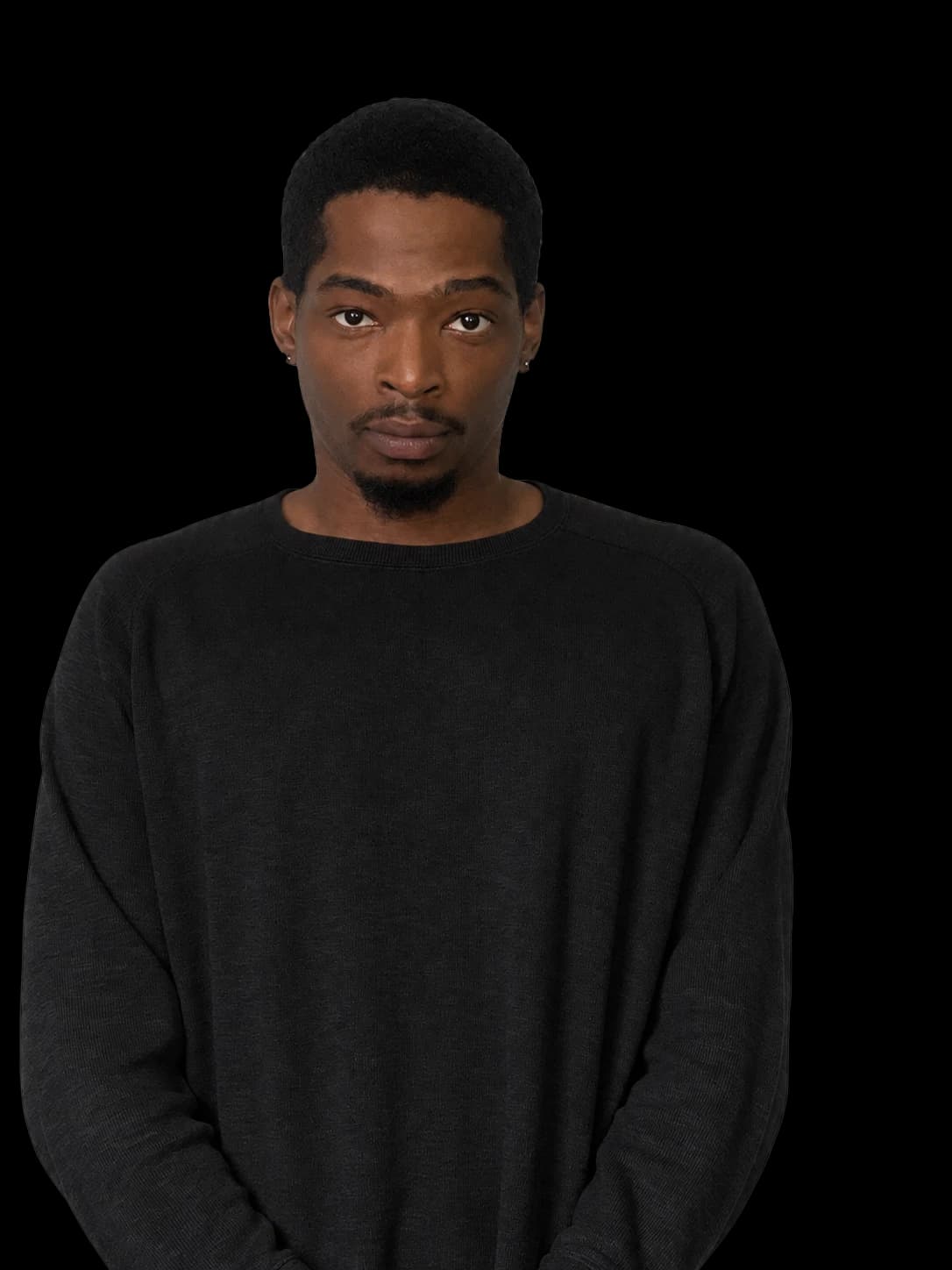
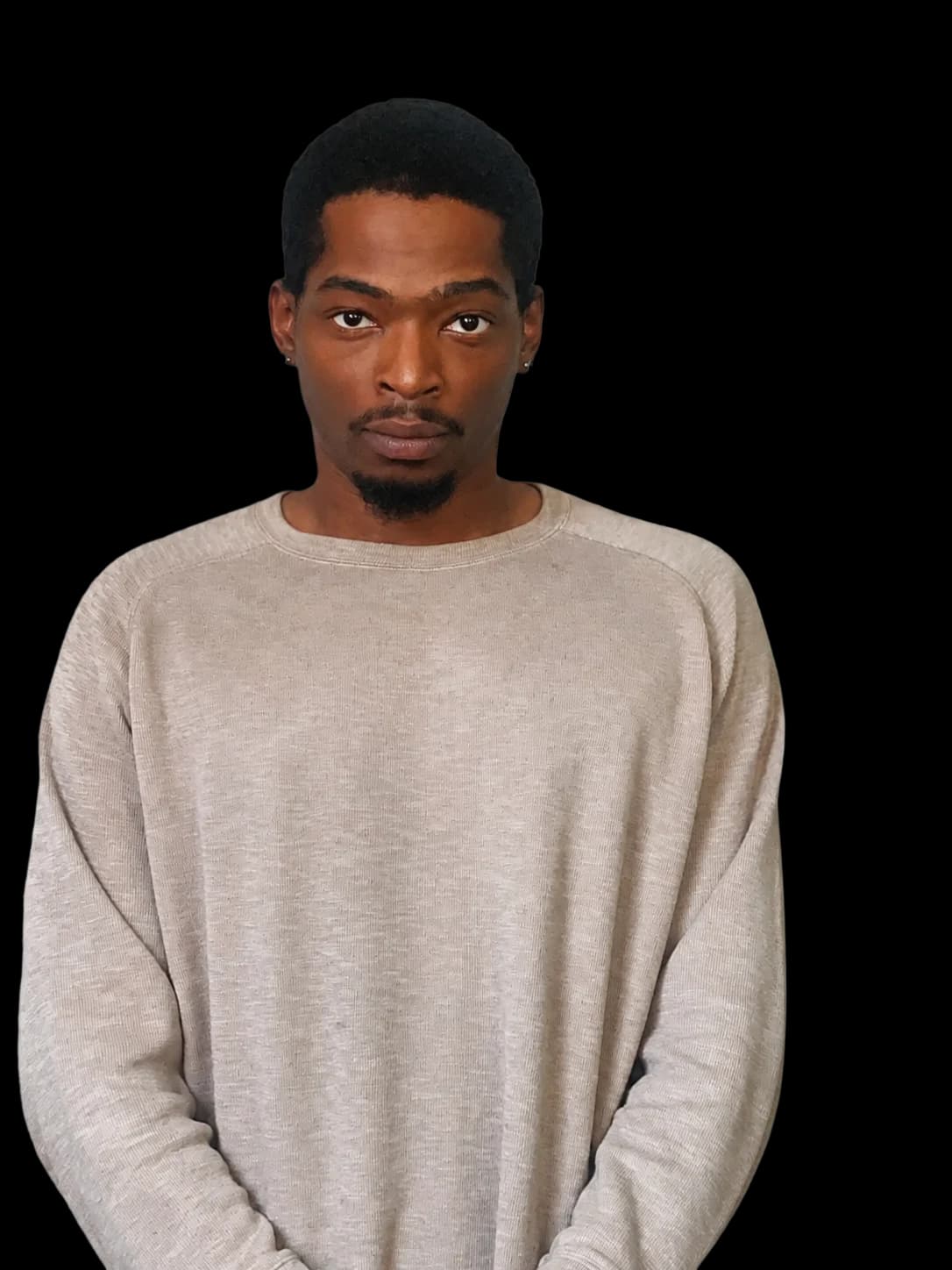
My perspective was shaped by Detroit and by working across software development, business systems, manufacturing operations, real-estate workflows, and product strategy. Those environments made technology feel less like a category and more like infrastructure: it either helps people understand and move the work, or it adds another layer to manage.
That range changed the question from “Can this be built?” to “Will this make the work clearer, more useful, and more human?” Engineering became the way I could turn that belief into something people can actually use.
The goal is not more technology. It is greater clarity, capability, and control.
Progress should be visible in the way people spend their time, understand their work, make decisions, and reach opportunity.
Meaningful technological progress requires an understanding of people, workflows, incentives, constraints, and outcomes. These disciplines work together because the problem does not arrive in separate departments.
Create dependable applications, data models, services, and interfaces that can carry the real rules of the work.
A foundation people can trust and evolve.Explore engineeringApply intelligence inside explicit workflows where it can reduce repetition without hiding consequential decisions.
More capacity with human control intact.Explore AI automationUnderstand how information, material, responsibility, and exceptions move through the real environment.
A system shaped around execution, not theory.Explore operations systemsConnect technical choices to adoption, value, sequencing, and the business model the technology must support.
Investment directed toward the right change.Explore all servicesThe best technology does not call attention to its complexity. It gives people a clearer, more capable way to move forward.
Understand the people, decisions, information, constraints, and exceptions before choosing the technical response.
A team cannot improve a process it cannot see. Make state and ownership explicit before adding speed or intelligence.
Use automation to carry predictable work while keeping people accountable for ambiguity, exceptions, and consequential choices.
A technically impressive system has little value if it does not fit the way people understand, trust, and perform the work.
Technical decisions should improve a human or business outcome—not simply produce more software.
Experience across technology, operations, and business changes what gets noticed early—and what gets designed into the system from the beginning.
Trace the workflow far enough to separate the visible symptom from the system-level problem.
Model records, states, ownership, permissions, and failure paths before features begin to accumulate.
Give each person the context, next action, and feedback required to move with confidence.
Keep business rules, data, automation, and presentation accountable so the system can change safely.
Fit the solution to the real environment, preserve necessary judgment, and make the improvement understandable to the people using it.
These systems are still in progress. They are useful here because each one begins with a human or operational problem and turns it into an explicit technical structure.
From an unstructured idea to an organized path forward.
Turn scattered interest into a visible follow-up system.
Make material, location, and status visible as one system.
Follow the evidence methodology used to distinguish verified outcomes from work that is still being built.
Review the evidence approachI want to build systems, products, and companies that make capability easier to access and ownership easier to pursue—tools that help people see possibilities sooner, act with better information, and spend more time on creative, consequential work.
The future I want to help build is not defined by technology everywhere. It is defined by technology working quietly and responsibly wherever it can create greater access, stronger organizations, and more room for people to shape what comes next.
If you are building something that should make work clearer, capability greater, or opportunity more accessible, bring the real problem. We can find the system inside it.